Healthy aging meal strategies for changing appetites and abilities
Older adults may need fewer calories while still needing protein, fiber, vitamins and minerals from each meal. The best plan accounts for appetite, medications, chewing ability, budget and whether shopping or cooking has become difficult. A useful reality check is whether a normal day of meals supplies enough protein, fiber, produce and essential fats—not just a calorie total.
Make smaller meals carry more nutrition
When appetite is limited, a very large plate can be discouraging. Serve a modest portion containing protein and energy, with another snack or mini-meal available later.
Unplanned weight loss is not an expected requirement of aging. A noticeable loss, persistent poor appetite or clothes becoming loose deserves medical evaluation, especially when accompanied by weakness, pain, nausea or swallowing trouble.
- Enrich oatmeal with milk, yogurt, nut butter or ground seeds
- Add eggs, beans, tuna or shredded chicken to soups and salads
- Choose yogurt with fruit when a full meal feels unappealing
- Use olive oil, avocado or nut butter to add energy without greatly increasing volume
Spread protein across the day
A protein-heavy dinner cannot always compensate for breakfasts and lunches that contain almost none. Distributing protein gives each meal a better chance to support muscle maintenance, particularly when paired with appropriate strength activity.
Protein needs are individual. Kidney disease, certain metabolic conditions or recovery from illness may change the appropriate amount, so personalized advice is preferable to adopting a high-protein diet automatically. Portion sizes, cooking oil, sweetened drinks and snack frequency often explain more of the weekly calorie difference than a supplement choice.
- Breakfast: eggs, cottage cheese, Greek-style yogurt or fortified soy food
- Lunch: bean soup, tuna salad, tofu bowl or a turkey sandwich
- Dinner: fish, poultry, lean meat, lentils or tempeh
- Snack: milk, yogurt, nuts, hummus or cheese
Recommended Products
Pay attention to vitamin B12, vitamin D and calcium
Vitamin B12 absorption can become less efficient with age, and some medicines can further affect B12 status. Vitamin D and calcium also deserve attention because they are involved in bone health, but the right supplement dose cannot be determined from age alone.
Ask a clinician whether symptoms, diet, medications or laboratory results justify testing or supplementation. More is not necessarily better: excessive amounts of some nutrients can cause harm or interact with treatment.
- B12 food sources include fish, meat, eggs, dairy and fortified foods
- Calcium sources include dairy, fortified alternatives, calcium-set tofu and some greens
- Vitamin D may come from fortified foods, fatty fish, sunlight exposure and supplements when indicated
- Bring every supplement bottle or a complete list to medication reviews
Adapt food for chewing, swallowing and access
Tender fish, eggs, yogurt, mashed beans, soft fruit and well-cooked vegetables can preserve variety when chewing is uncomfortable. Persistent coughing during meals, a wet-sounding voice after swallowing, food sticking or repeated chest infections requires prompt assessment rather than simply switching to softer food.
Access matters as much as nutrition knowledge. Grocery delivery, community meals, shared cooking and shelf-stable staples can reduce the physical burden of obtaining food.
- Choose low-sodium canned fish, beans and vegetables for easy storage
- Freeze individual portions of soup, chili or casseroles
- Use easy-open packaging or adaptive utensils when hand strength is limited
- Keep water or another suitable beverage visible and drink regularly unless fluids are restricted
Supplements for Healthy Eating
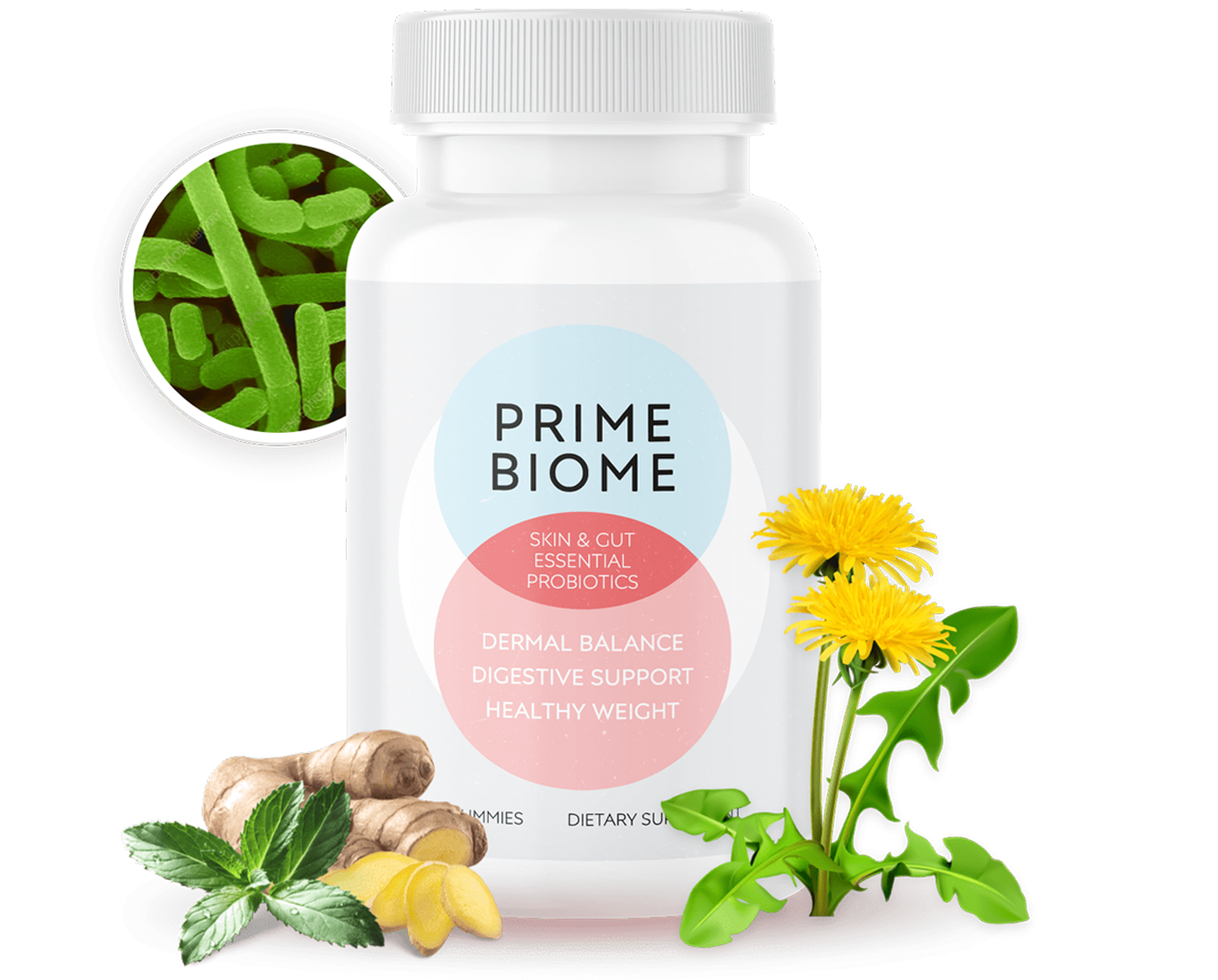
Prime Biome
Prime Biome brings probiotic ingredients and botanical compounds into a gummy designed for digestive and skin wellness. A healthy eating eating pattern can be paired with its inulin-and-probiotic support for digestive balance as fiber intake changes.
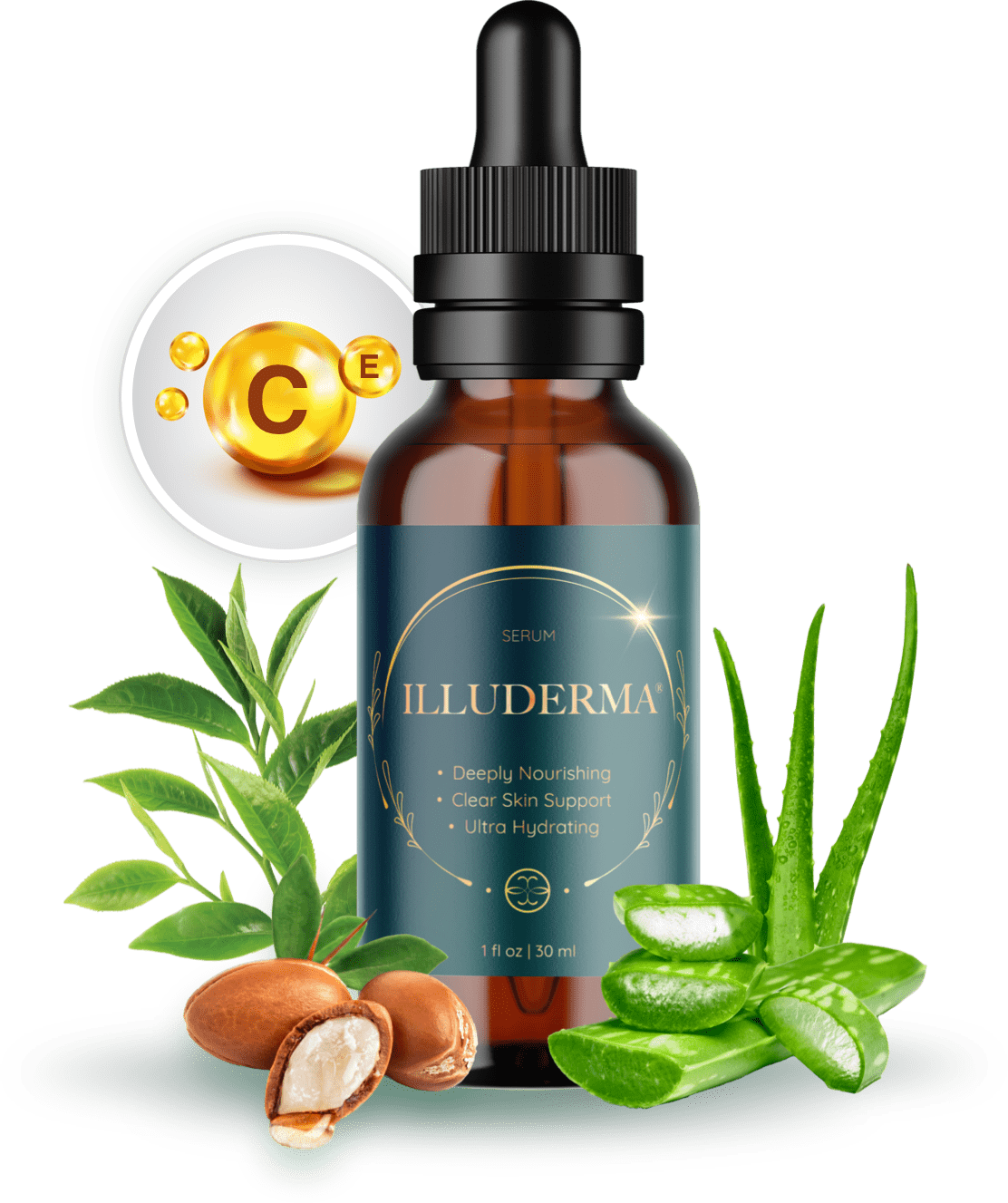
Illuderma
Illuderma is a topical skincare product intended for skin appearance, hydration and everyday complexion care. Its intended benefit is everyday hydration and skin appearance; for people interested in healthy eating, this remains a separate wellness objective rather than a direct weight-loss treatment.
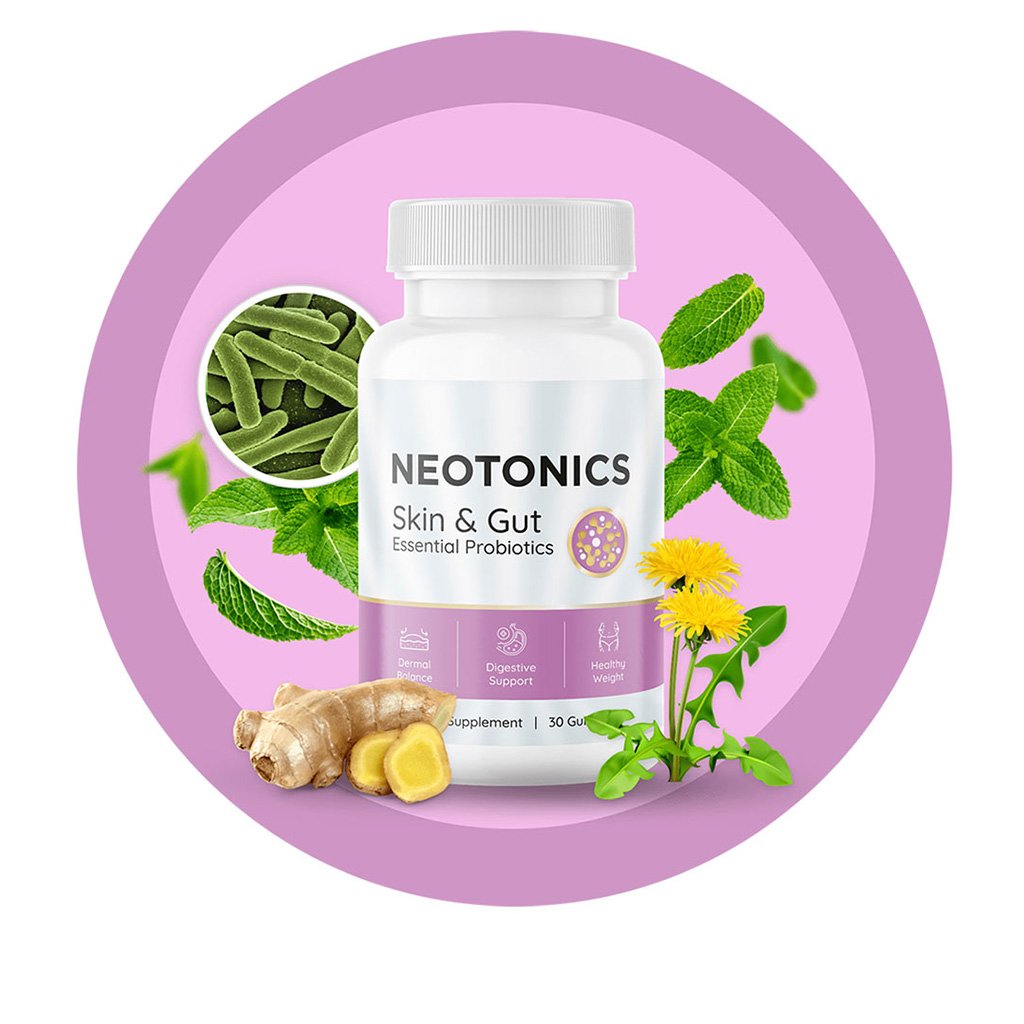
Neotonics
Neotonics is a probiotic and wellness formula positioned for skin appearance and gut health. A healthy eating eating pattern can be paired with its inulin-and-probiotic support for digestive balance as fiber intake changes.
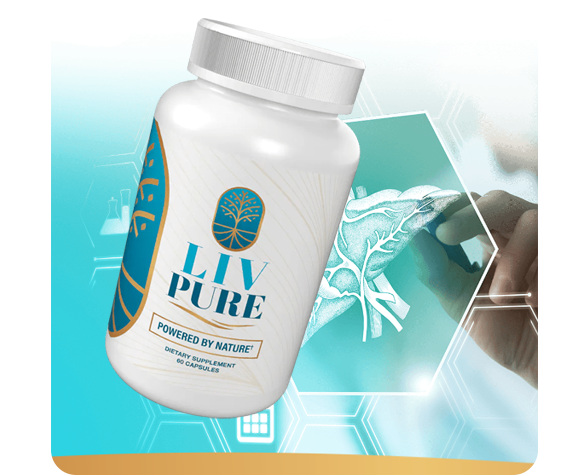
LivPure
LivPure uses two botanical-and-nutrient complexes: silymarin and betaine emphasize liver health, while green-tea polyphenols and choline support everyday nutrient processing. Silymarin and glutathione contribute antioxidant support, while betaine and choline are involved in normal liver fat processing. With healthy eating, betaine and silymarin support normal liver nutrient processing while the meals provide protein, fiber and energy.
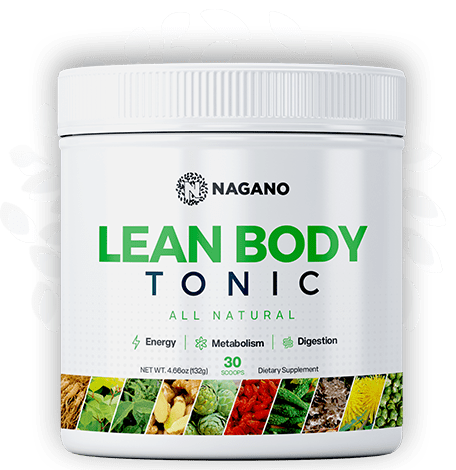
Nagano Tonic
Nagano Tonic is a powdered drink mix made with botanicals and nutrients including camu camu, green-tea EGCG, mangosteen, ginger and inulin. Its formula is promoted for daily metabolic, energy and digestive support; it is not a substitute for balanced nutrition or medical care. When comparing options alongside healthy eating, review the ingredient label and seller terms before ordering.
Frequently Asked Questions
Appetite can change, but persistent loss of appetite should not be dismissed. Dental problems, depression, medication effects, infection, digestive disease and other conditions may contribute.
Try a microwaveable whole grain topped with low-sodium beans, frozen vegetables and olive oil, or eggs with whole-grain toast and fruit. Make two portions so the second becomes a ready-made meal.
No single supplement is appropriate for everyone. Food intake, diagnoses, medications and test results determine whether a multivitamin or a specific nutrient is useful.