A practical approach to healthy eating at every age
Healthy eating works best as a repeatable system rather than a list of forbidden foods. Start by improving the balance of familiar meals, then adjust portions, textures and nutrients as your appetite, health and activity change. Portion sizes, cooking oil, sweetened drinks and snack frequency often explain more of the weekly calorie difference than a supplement choice.
Build meals with four useful parts
A dependable meal includes a protein food, a high-fiber carbohydrate, produce and a source of unsaturated fat. That structure is flexible enough for oatmeal, tacos, soup, sandwiches or a traditional meat-and-potatoes dinner.
You do not need perfect proportions at every sitting. Look at the day as a whole: if breakfast lacks vegetables, add fruit there and include extra vegetables at lunch or dinner.
- Protein: eggs, fish, poultry, yogurt, tofu, beans or lentils
- High-fiber carbohydrate: oats, barley, brown rice, whole-grain bread, beans or potatoes with skin
- Produce: fresh, frozen, canned or dried fruit and vegetables without excessive added sugar or sodium
- Unsaturated fat: nuts, seeds, avocado or olive oil
Prioritize protein and fiber without tracking everything
Protein supports muscle maintenance, while fiber promotes regularity and helps make meals satisfying. Instead of counting every gram, include a recognizable protein at each meal and choose a fiber-rich food several times a day.
Increase fiber gradually and drink enough fluid unless a clinician has given you a restriction. A sudden jump from a low-fiber diet can cause bloating or discomfort.
- Add beans to soup, chili, salads or ground-meat dishes
- Pair fruit with yogurt, nuts or cheese for a more substantial snack
- Replace some refined grains with oats, whole-grain bread or brown rice
- Keep frozen vegetables available for meals when preparation time is limited
Supplements for Healthy Eating
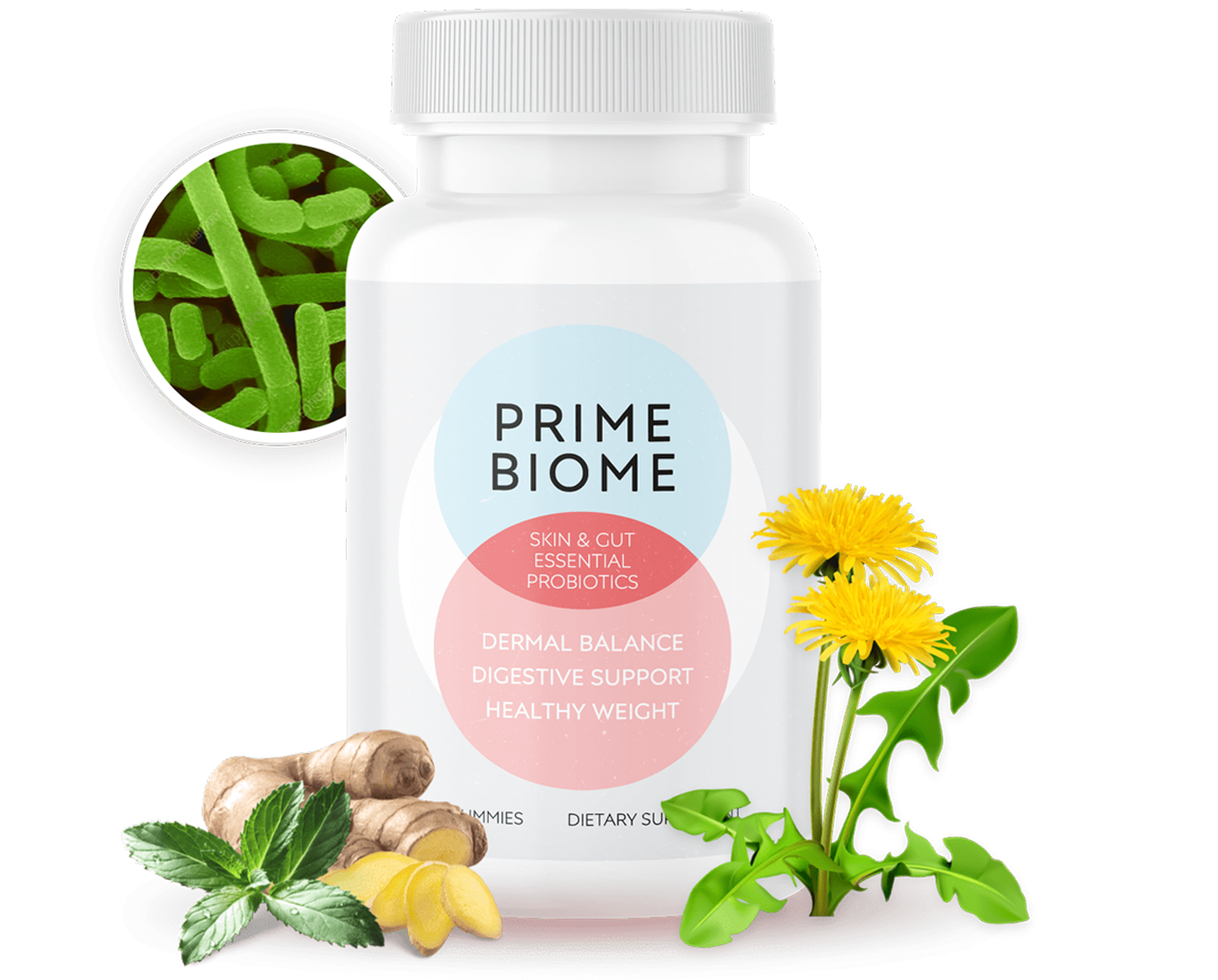
Prime Biome
Prime Biome brings probiotic ingredients and botanical compounds into a gummy designed for digestive and skin wellness. A healthy eating eating pattern can be paired with its inulin-and-probiotic support for digestive balance as fiber intake changes.

Illuderma
Illuderma is a topical skincare product intended for skin appearance, hydration and everyday complexion care. Its intended benefit is everyday hydration and skin appearance; for people interested in healthy eating, this remains a separate wellness objective rather than a direct weight-loss treatment.

Neotonics
Neotonics is a probiotic and wellness formula positioned for skin appearance and gut health. A healthy eating eating pattern can be paired with its inulin-and-probiotic support for digestive balance as fiber intake changes.

LivPure
LivPure uses two botanical-and-nutrient complexes: silymarin and betaine emphasize liver health, while green-tea polyphenols and choline support everyday nutrient processing. Choline and betaine support normal lipid metabolism, giving LivPure a liver-centered approach to weight-management wellness. With healthy eating, betaine and silymarin support normal liver nutrient processing while the meals provide protein, fiber and energy.

Nagano Tonic
Nagano Tonic is a powdered drink mix made with botanicals and nutrients including camu camu, green-tea EGCG, mangosteen, ginger and inulin. Its formula is promoted for daily metabolic, energy and digestive support; it is not a substitute for balanced nutrition or medical care. When comparing options alongside healthy eating, review the ingredient label and seller terms before ordering.
Use additions before restrictions
An addition-first approach is often easier to sustain than banning favorite foods. Add vegetables to pizza, protein to a light breakfast or fruit to dessert before deciding whether anything needs to be removed.
Highly processed foods can still fit, but compare products within the same category. Sodium, added sugar, saturated fat, fiber and serving size are usually more informative than claims such as natural, detox or superfood. A useful reality check is whether a normal day of meals supplies enough protein, fiber, produce and essential fats—not just a calorie total.
- Choose a lower-sodium canned soup and add frozen vegetables
- Mix sweetened cereal with a higher-fiber unsweetened cereal
- Serve chips alongside a sandwich containing protein and vegetables rather than treating them as the meal
- Use herbs, citrus, garlic and spices to build flavor with less salt
A seven-day reset that does not require a diet plan
For one week, change only the meals that cause the most difficulty. Someone who skips lunch might prepare three sandwich fillings; someone who relies on takeout dinners might stock two freezer meals and bagged salad.
At the end of the week, judge the change by hunger, energy, digestion, cost and effort—not by a single scale reading. Keep the change that helped and address one additional meal the following week.
- Pick one dependable breakfast and buy enough for four servings
- Prepare or purchase two ready-to-eat protein options
- Place washed fruit where it is easy to see
- Schedule one flexible meal for leftovers or dining out
Frequently Asked Questions
No. Beans, fruit, vegetables, oats and whole grains provide carbohydrates along with fiber and nutrients. Portion, preparation and what accompanies the carbohydrate matter more than avoiding the entire category.
Frozen vegetables are a practical nutritious choice. Select plain versions when possible, then add your own seasonings or sauce so you can control sodium and saturated fat.
Combine convenient foods rather than starting from raw ingredients. Rotisserie chicken, low-sodium beans, microwaveable grains, frozen vegetables, bagged salad, yogurt and fruit can produce balanced meals with little preparation.